premium mangoes


Welcome to Mango Bite - Top Mango Exporter
Buy Fresh Mangoes
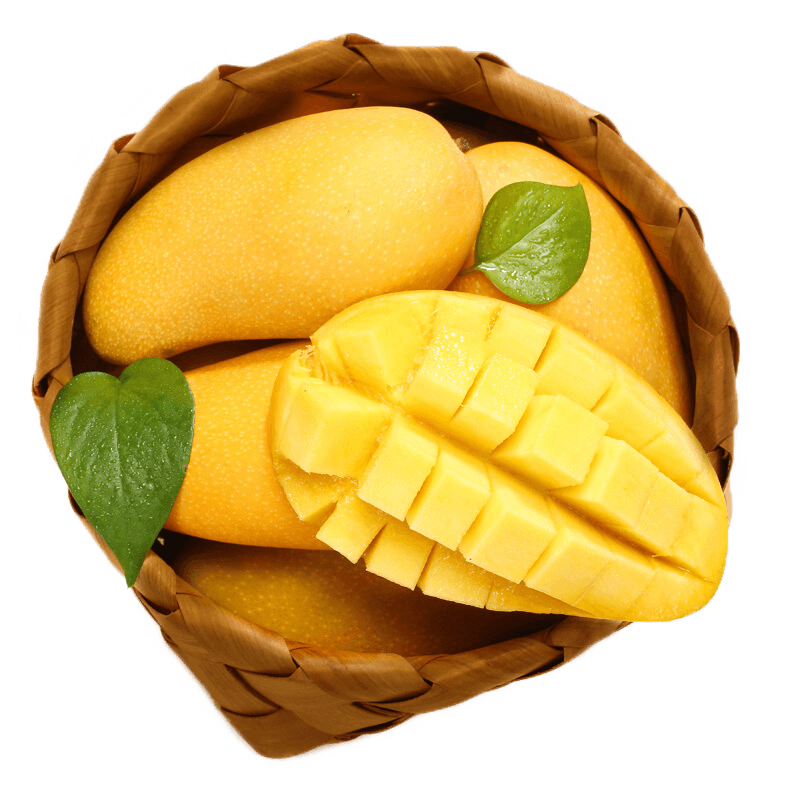
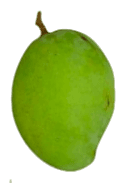
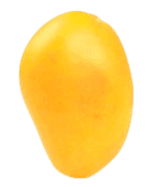
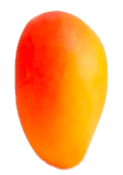
Your ultimate destination for premium New Zealand mangoes available online! Explore our diverse range of fresh mangoes, including popular varieties like Banganapalli (Benishan), Alphonso (King of Mangoes), Kesar, Dasheri, Langra, Chaunsa, Rajapuri, Totapuri, and more. With convenient mango delivery straight to your doorstep, you can enjoy the delicious taste and health benefits of mangoes from the comfort of your home.
Shop Now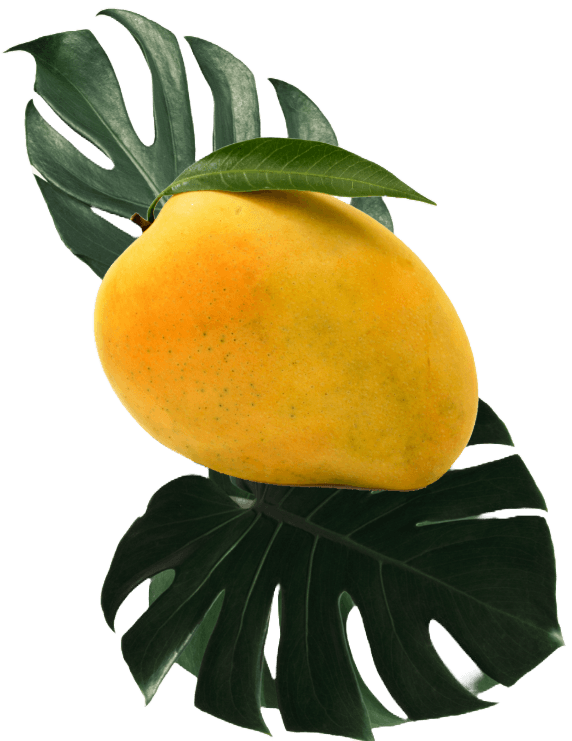
Gift Your Employees
100% Naturally Ripen
Indian farm
grown Mango

what our clients say
testimonials

Sandeep

Srinivas from Napier

Tony & Astha



mango bite
Look no further! Here's your guide to locating the best mangoes near you
One of the finest mangoes you'll ever taste is the Alphonso — golden, buttery, and intensely aromatic, with a richness that makes it the undisputed king of mangoes.
shop nowshop with us
why mangobite

Fresh Mangoes
100% Fresh Mangoes directly from farms of Mango Bite.

Quick Delivery
Mangoes will be delivered within 4 days.

Guarantee
We offer a replacement guarantee on all our products.